Every colour technique has a ceiling — a point beyond which it cannot go alone. Combination colouring is what you use when a single approach produces something technically correct but visually insufficient. The best colour you have ever seen was almost certainly made with more than one.
What Combination Colouring Means
A combination colour service is exactly what it sounds like: two or three distinct techniques applied within a single appointment to produce a result that none of them could achieve independently.
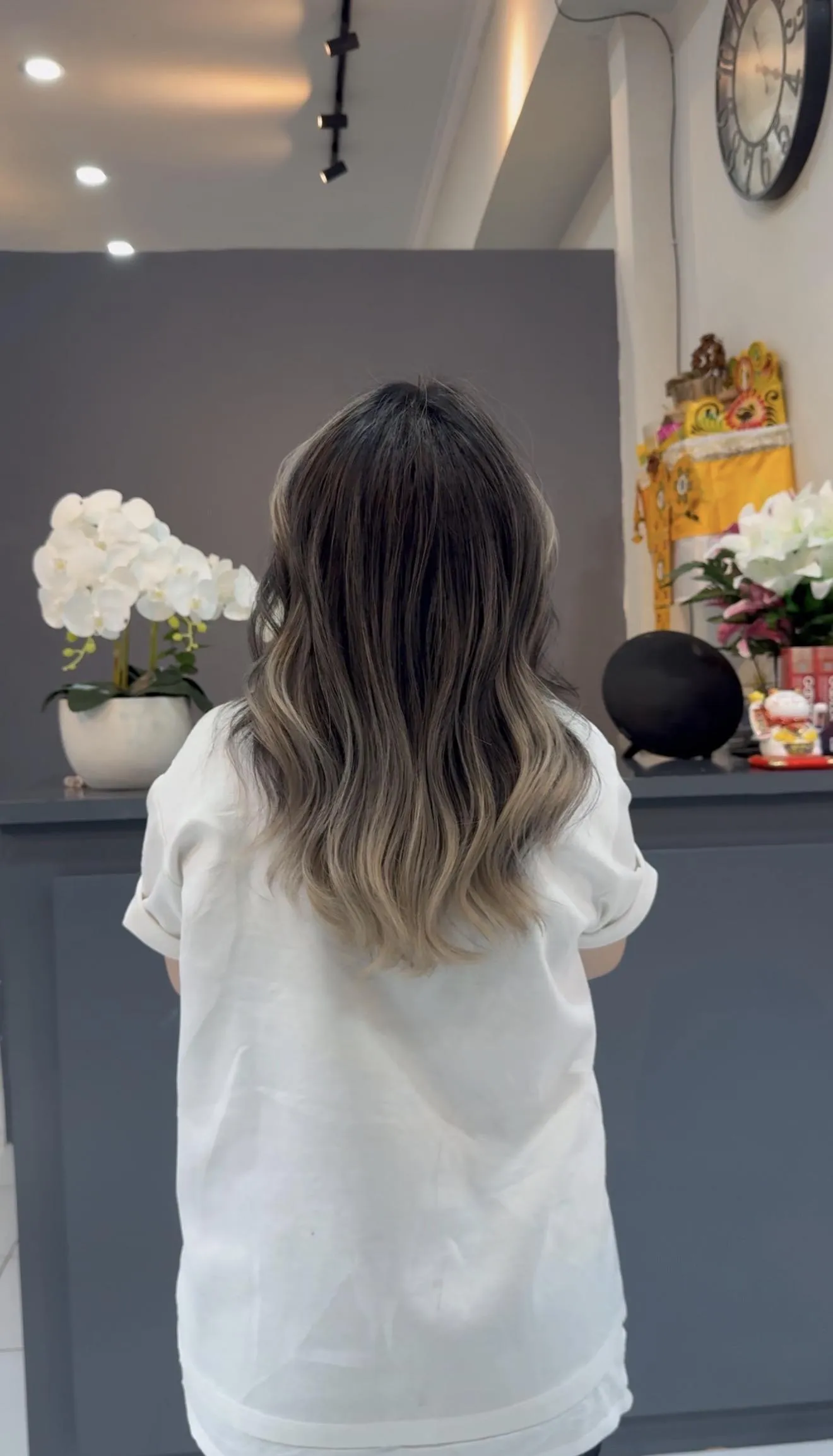
This is not padding out a service or adding complexity for its own sake. Each technique in the combination is doing something specific that the others cannot. Balayage creates soft, graduated brightness that mimics natural sun exposure. Highlights create defined, structured contrast that adds visible dimension. Airtouch produces the softest possible root transition by physically selecting which strands receive colour. A root shadow darkens the root zone slightly to create depth and slow the visual appearance of regrowth.
Any one of these applied alone produces a coherent result. Two or three used together, in the right combination for your hair and the result you are building toward, produces colour that is genuinely difficult to describe because it looks like it belongs there — not like something that was applied.
Popular Combinations and What They Achieve
Balayage and Highlights
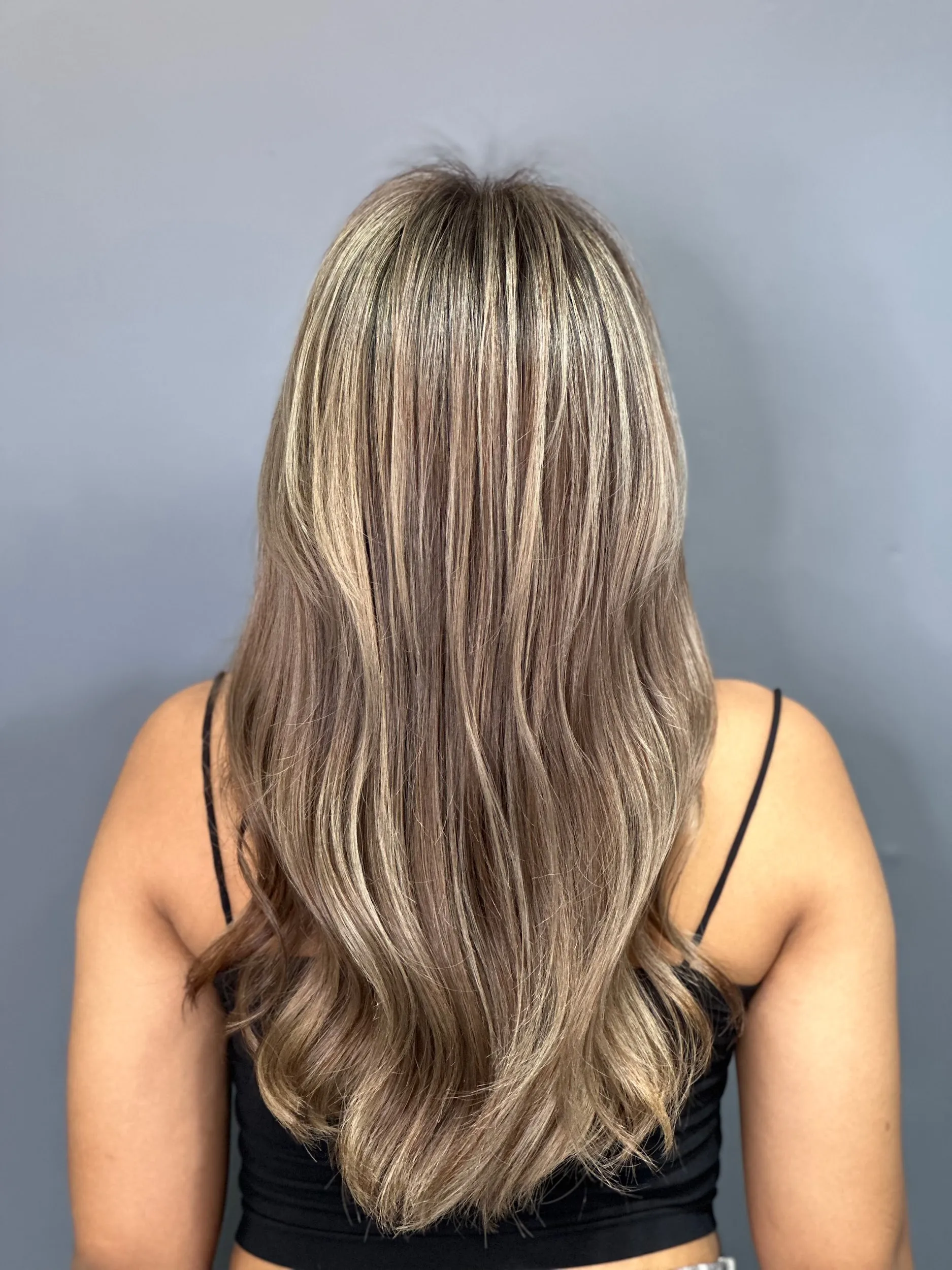
The most common combination. Balayage provides the gradient — a soft blend from darker roots to lighter lengths, concentrated most heavily around the face. Highlights are then added over and through the balayage result to create brighter, more defined points of contrast within the overall gradient.
The effect is depth and brightness working together rather than trading off against each other. Balayage alone can read as slightly flat in certain lights — all one tone of soft lightening. Adding targeted highlights gives the result internal movement: strands that catch light differently depending on how the hair falls. The eye reads the hair as more complex and more natural simultaneously.
The technique is also practical. The balayage provides the soft, low-maintenance base that grows out well. The highlights add precision detail that refreshes the look each session without requiring the entire result to be rebuilt from scratch.
Airtouch and Root Shadow
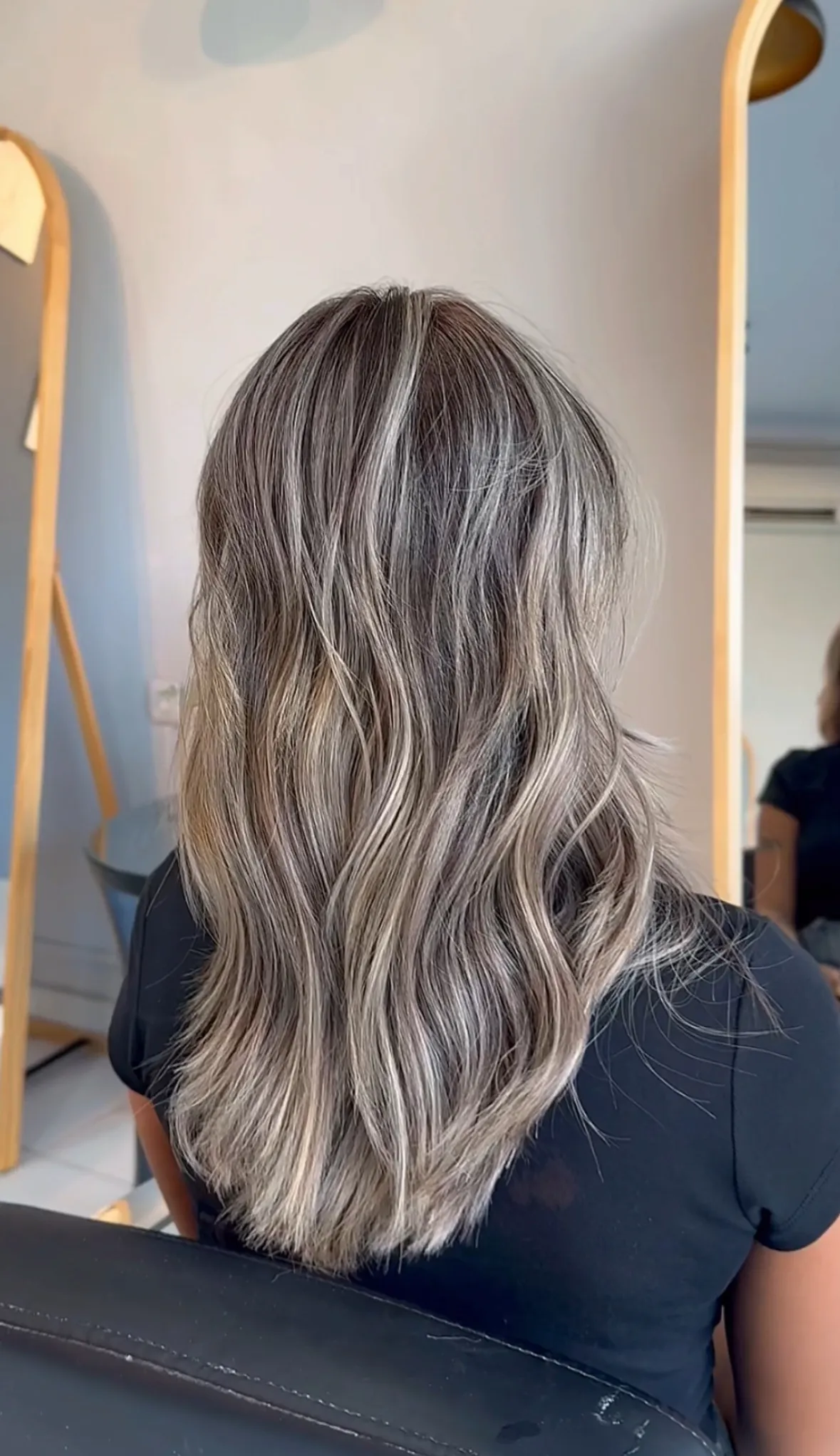
A combination built for longevity and seamlessness. Airtouch uses airflow to separate shorter hairs from each section before applying colour, producing a root zone that blends rather than demarcates. A root shadow — a darker tonal application at the root area — deepens and extends that blend deliberately.
The root shadow might seem counterintuitive alongside a lightening technique. It is not. The shadow works with the Airtouch transition rather than fighting it: the natural roots, the deeper shadow, the Airtouch's gradient, and the lighter lengths all exist on one continuous tonal arc. Nothing appears to start or end.
This combination is the choice for anyone who wants to stretch appointment intervals as far as possible. The shadow makes new root growth almost invisible because the colour at the root zone is already darker by design. Combined with Airtouch's natural transition, the result can look maintained for four to six months without a touch-up.
Full Bleach, Toning, and Root Melt
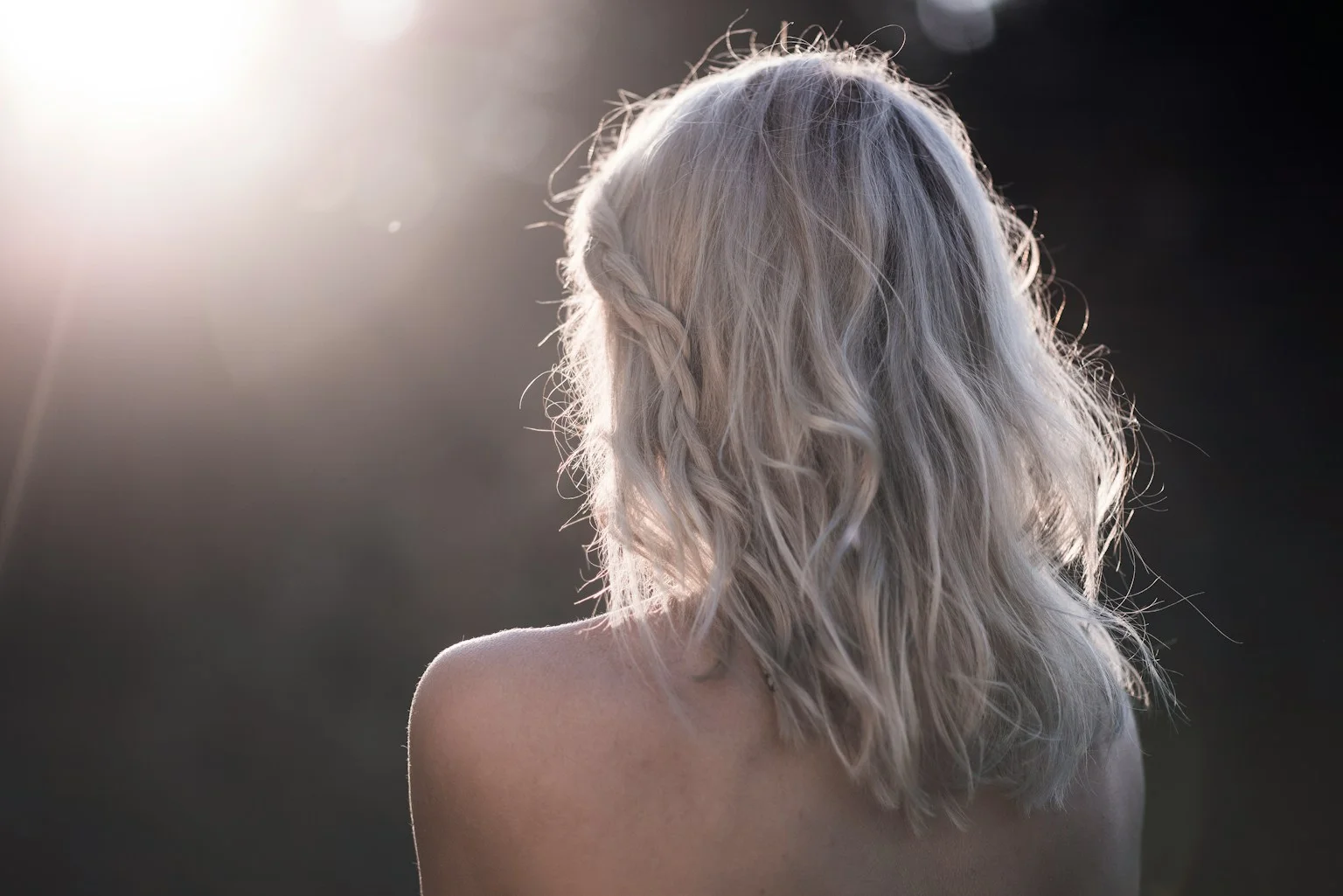
The most dramatic combination — and the most technically demanding. A full bleach lifts the entire hair to a pale base, typically level 9 to 10. Toning then defines the final shade: cool ash, silver, warm champagne, icy platinum. The root melt softens the contrast between the new natural growth line and the bleached lengths by applying a shadow tone that melts the two together.
This combination is the correct approach when the target is a dramatic transformation — silver hair, platinum blonde, fashion-adjacent tones that require a clean pale base — without leaving a hard line at the root. The root melt is what makes an extreme lightening result wearable between appointments. Without it, the regrowth becomes visible within weeks and the result looks unfinished.
The appointment is long: four to six hours is a reasonable expectation. The investment in time and product reflects what is actually happening to the hair over the course of the session.
Why This Requires Advanced Skill
A colourist applying a single technique is managing one set of variables: one formulation, one processing time, one strand selection method. A colourist managing a combination session is running multiple processes simultaneously, each with different timing requirements, different formulations, and different physical applications.
Balayage sections are processing at the same time as highlight foils, which may be working at a different rate. A root shadow is applied after rinsing the lightening sections but before toning. The Airtouch pre-separation has to be done correctly at each section before any colour touches the hair, because the airflow step cannot be retroactively applied. The timing decisions for each element of the combination have to account for how they interact with each other, not just how they behave in isolation.
A poorly timed combination appointment produces uneven lift, tonal inconsistency between sections, or imbalanced results — where one part of the head reads as a different colour than another. A well-timed one produces colour that reads as seamlessly unified despite having been built from multiple distinct processes.
This is the premium end of hair colour. Not because of the price or the marketing around it, but because of the genuine complexity of what the colourist is managing during the appointment.
The Consultation Process
The consultation for a combination service is longer than for a single technique and requires more specificity from you as the client.
Your colourist needs to understand your natural base level, your existing chemical history, your hair's current condition, and what you are actually trying to achieve — not just in terms of a colour shade but in terms of how the colour should behave as it grows out. Low maintenance or high definition? Soft and subtle or noticeable and bright?
Reference images are valuable here. They help the colourist identify the visual target and then work backward to determine which combination of techniques produces it. Two images that look similar at a glance may actually represent different underlying techniques, and understanding which one produced the effect you like is part of the consultation.
The colourist will also be assessing your hair's health against the demands of the proposed combination. If your hair has been previously bleached or heavily colour-treated, not all combinations may be appropriate. A colour correction consultation may come before a combination service if there is existing banding, patchy tone, or structural compromise that needs to be addressed first.
Time and Investment Expectations
Combination sessions are longer and more expensive than single-technique appointments. This is a direct function of the complexity involved and should be understood going in rather than discovered at checkout.
A balayage-and-highlights combination runs three to four hours. An Airtouch-and-root-shadow combination is similar. A full bleach with toning and root melt is four to six hours. Within each of those time blocks, your colourist is not sitting idle between applications — they are managing multiple processes running simultaneously and making adjustments as they go.
The cost reflects time, product volume, and skill. A combination session at a skilled colourist is not a luxury indulgence — it is the appropriate service for achieving a result that a single technique cannot produce. Cutting corners on the service to save money usually results in a single technique being applied when a combination was required, and the visual gap is obvious.
Aftercare
Combination colour involves more chemical input than single-technique services, which means the aftercare requirements are proportionally more serious.
The foundation is the same as any lightening service: sulphate-free shampoo, colour-appropriate conditioner, and weekly deep conditioning. But a combination session that includes full bleaching or significant lightening of mid-lengths and ends requires bond-building treatment support — in-salon during the appointment and at-home in the weeks following.
In Bali's climate, UV protection and management of salt water and chlorine exposure is important for any colour result, and more so after a multi-technique session where the hair's porosity has been increased across a greater volume of the head. The hair care in Bali guide covers the specific environmental threats and practical routines for managing them.
For results that include single process colour as one element of a combination — for example, a base colour application alongside highlights — the maintenance timeline follows the root regrowth of the base rather than the grow-out of the lightening sections.
Toner will typically need refreshing before the lightened sections need re-lightening. Scheduling a toner refresh as a standalone appointment extends the life of the full combination result without adding chemical stress to the hair.
For a complete picture of what Bali's beauty services offer — across hair, skin, nails, and body — the Bali beauty guide covers everything available in one place.
Rose Petal is a beauty center on Jalan Labuansait in Uluwatu offering combination colouring, Airtouch, balayage, highlights, and full bleaching services daily from 10 AM to 7 PM — with a lounge bar, sunset terrace, and co-working space. To book your appointment, visit rosepetalbali.com or message us on WhatsApp.
Beauty, refined.