Keratin treatments are one of the most misunderstood services in the salon — commonly described as straightening treatments when they are actually a sealing treatment. The distinction matters, because it changes who benefits from them and what the realistic expectation should be.
What Keratin Does at the Molecular Level
Hair is made primarily of a fibrous protein called keratin. The cortex — the structural core of each strand — contains long coiled polypeptide chains held together by various chemical bonds. The outermost layer of each strand is the cuticle: overlapping, scale-like plates that lie flat on healthy hair and lift on hair that is porous, damaged, or exposed to humidity.
A keratin treatment deposits a protein coating onto the outside of the hair shaft, primarily targeting the cuticle. The product used contains a keratin-amino acid complex in a carrier solution. When heat is applied — typically a flat iron at around 230°C — the carrier evaporates, and the protein complex bonds to the surface of the cuticle, creating a smooth, semi-permanent coating.
The coating does two things. First, it physically fills in gaps and irregularities in the cuticle surface, making the hair shaft uniformly smooth. Second, it resists moisture penetration from the atmosphere. In Bali, where humidity is consistently high, this second function is the primary reason to get one. Hair that can resist atmospheric moisture uptake does not frizz. It does not swell unevenly. It behaves the same way at 85% humidity as it does at 30%.
The coating is not permanent. It bonds temporarily to the hair's protein structure and gradually washes out over three to five months, depending on how frequently you wash your hair and what products you use. The smoother the cuticle your hair starts with, the longer it lasts. More on aftercare below.
Types of Keratin Treatments
Not all keratin treatments are the same, and the difference matters.
Express keratin treatments are faster — typically 45 to 90 minutes — and produce a softer result. They reduce frizz significantly and improve manageability but may not fully eliminate curl or wave. Results last one to two months. Good for maintenance between full treatments, or for hair that only needs frizz control rather than significant texture change.
Standard professional keratin treatments take two to three hours and produce a more substantial result. Frizz is eliminated rather than reduced. Curl is relaxed — not permanently, but meaningfully — for the duration of the treatment. This is the appropriate service for anyone dealing with significant frizz, unmanageable texture, or hair that is visibly affected by Bali's humidity within minutes of leaving the house.
The product formulation varies between brands. The quality of the protein complex, the concentration, and the heat-activation protocol all affect the result and how long it lasts. Professional-grade formulas used by trained colourists outperform retail keratin kits in both result and longevity — the at-home versions typically use lower-concentration formulas that last four to six weeks rather than months.
The Appointment Process
A keratin treatment appointment begins with a shampoo using a clarifying product. This removes any buildup — product residue, mineral deposits from salt or hard water, silicone from conditioners — that would prevent the keratin from bonding properly to the hair shaft. This step matters more than most clients realise. Keratin applied over a layer of buildup bonds to the buildup rather than the hair, and the result deteriorates quickly.
After clarifying, the hair is blow-dried until it is completely dry. Keratin is then applied section by section — from root to tip — combed through each section to ensure even distribution. Application typically takes 30 to 45 minutes for a full head.
The product is then left to absorb for 30 minutes. After this dwell time, the hair is blow-dried again. Then comes the heat-activation step: a flat iron passed over each section at high heat, sealing the protein coating to the cuticle. This step requires slow, systematic passes through the hair — rushed flat-ironing produces uneven sealing and an inconsistent result.
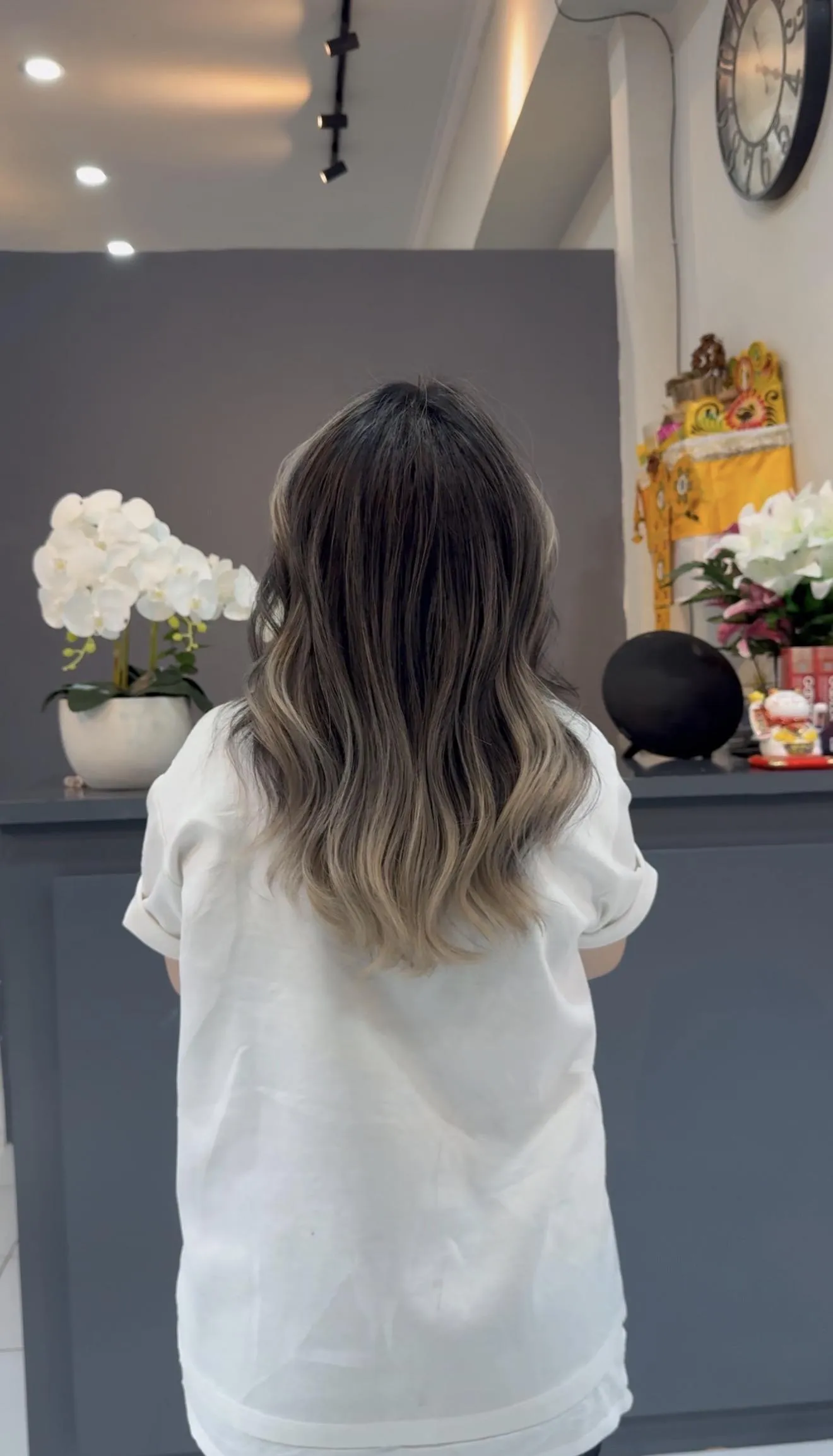
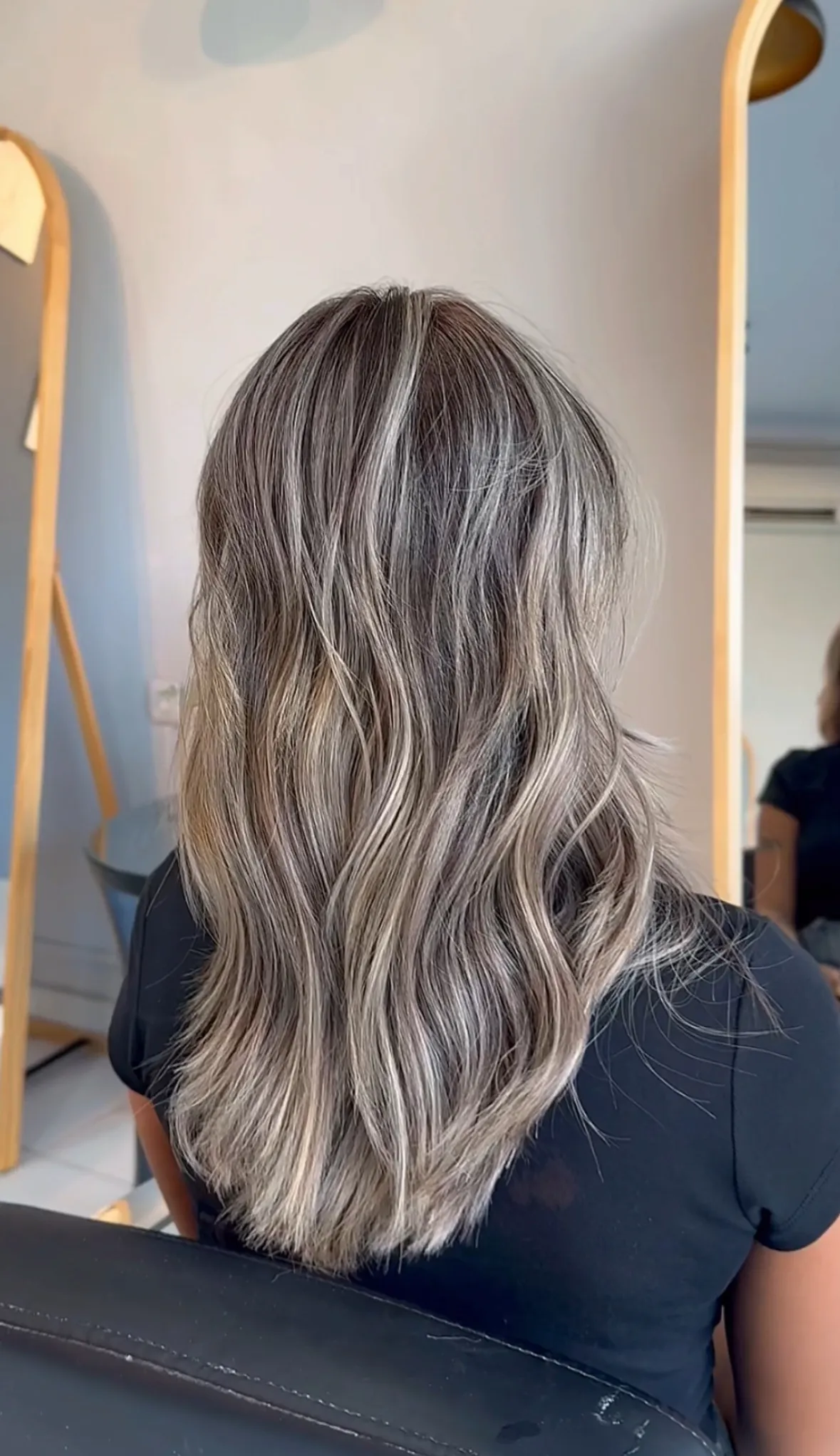
The finished hair is smooth, glossy, and often noticeably lighter in density than before the treatment — the coating compresses the cuticle, which reduces the hair's overall volume without removing hair.
Results Timeline
The treatment is immediate, but the first 72 hours are critical.
During the first 72 hours, avoid getting your hair wet — no swimming, no rain exposure, no sweat from exercise if you can manage it — and do not tie the hair up or use clips. The protein coating is still fully bonding to the hair surface during this period. Any bending, creasing, or moisture exposure during this window creates weak points in the coating. A crease from a hair tie during the first 72 hours can remain visible for weeks.
After 72 hours, you can wash, style, and tie your hair normally. The result is now stable.
For the first month, the treatment is at maximum effectiveness. Hair is smooth in any humidity, drying time is significantly reduced, and styling takes a fraction of the time it did before.
Month two to three: results remain strong for most hair types. Some clients with very coarse or curly hair may notice gradual softening of the effect toward the end of this window.
Month three to five: the coating is washing out progressively. Hair becomes slightly more responsive to humidity than in the first two months, but the result typically remains meaningful until the coating is mostly gone.
Who It's For — and Who It's Not
Keratin treatments work on all hair types. They are most impactful on hair that is porous, frizzy, or highly textured — the categories most affected by humidity. Fine, straight hair that does not frizz significantly will see marginal improvement from a keratin treatment; the moisture management is less relevant when the cuticle is already smooth.
For colour-treated hair, the timing is important. Wait at least two weeks after any colour service before booking a keratin treatment. The colour needs time to settle and the cuticle to stabilise before the sealing process begins. Going the other direction — colour after keratin — requires awareness that the keratin coating can resist colour penetration slightly. Book colour before keratin, not after, if both are on your list.
The treatment is not suitable for very recently bleached hair that is structurally compromised. The heat activation step at 230°C can cause additional stress to hair that is already weakened from chemical processing. If your hair has been fully bleached within the past two to four weeks and is in poor condition, wait for the hair to stabilise and discuss timing with your colourist before proceeding.
The 72-Hour Rule and Aftercare
Sulphate-free shampoo is mandatory after a keratin treatment, not optional. Sulphates are aggressive surfactants that strip the protein coating from the hair shaft significantly faster than sulphate-free formulas. Using a sulphate-containing shampoo after a keratin treatment is the single fastest way to reduce the treatment's lifespan from four months to six weeks.
Your colourist will recommend a sulphate-free shampoo at the appointment. Use it. The cost difference between a sulphate-free formula and a standard shampoo is negligible relative to the cost of the treatment.
Avoid sea water and pool water where possible for the first two weeks, and rinse thoroughly after exposure at any point during the treatment's life. Salt and chlorine both accelerate the breakdown of the protein coating.
Refer to the hair care in Bali guide for the full environmental management routine — the precautions for UV, salt, and chlorine apply to keratin-treated hair the same way they apply to colour-treated hair.
The Cost-Per-Day Calculation
A professional keratin treatment in Bali runs considerably less than the equivalent service in Australia, the UK, or the US. If you are here for an extended stay or living here, the value proposition is significant.
A treatment that costs a fraction of what you would pay in your home city and lasts three to four months translates to a very low daily cost for smooth, humidity-resistant hair that requires half the styling time of untreated hair. For anyone spending more than a few weeks in Bali, getting a keratin treatment early in the trip means the rest of the stay requires minimal daily effort.
Combined with a haircut timed around the same visit, the practical results carry through the duration of most stays comfortably.
For a broader picture of the full range of beauty services available in Bali — and how to think about the order in which to approach them — the Bali beauty guide is the place to start.
Rose Petal is a beauty center on Jalan Labuansait in Uluwatu offering professional keratin treatments daily from 10 AM to 7 PM — with a lounge bar, sunset terrace, and co-working space. To book your appointment, visit rosepetalbali.com or message us on WhatsApp.
Beauty, refined.