Lash extensions are one of the most technically demanding beauty services available — and one of the most poorly executed. When they are done right, you wake up looking polished without touching your face. When they are done wrong, you lose lashes and spend two weeks regretting it. The difference is almost entirely in the hands that applied them.
The Three Types: Classic, Volume, and Hybrid
The first decision is which style you want. Not because one is better than the others — but because they create meaningfully different results, and what suits your natural lashes and lifestyle matters.
Classic Extensions
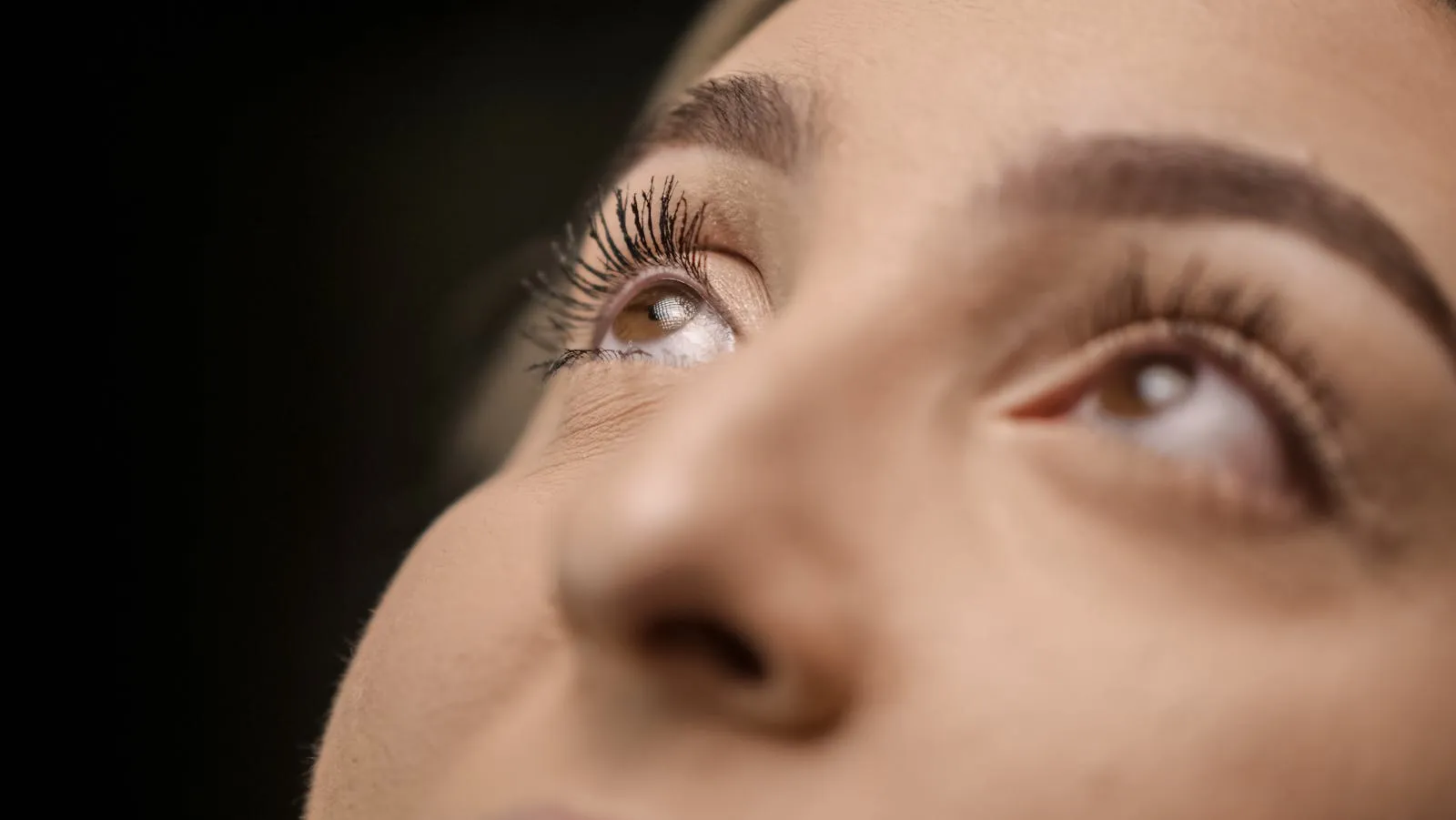
Classic is one synthetic lash applied to one natural lash. The result is a defined, separated look with a clear mascara effect — longer and darker than your natural lashes, but still recognisably yours. If you have a good density of natural lashes, classic gives clean, elegant results that read as effortless rather than done.
Classic is the right choice for a natural look, for clients new to extensions, or for anyone who wants low visual weight. The work is precise — isolating each individual natural lash and bonding a single extension without touching the skin or the neighbouring lashes — but the aesthetic is restrained.
Volume Extensions
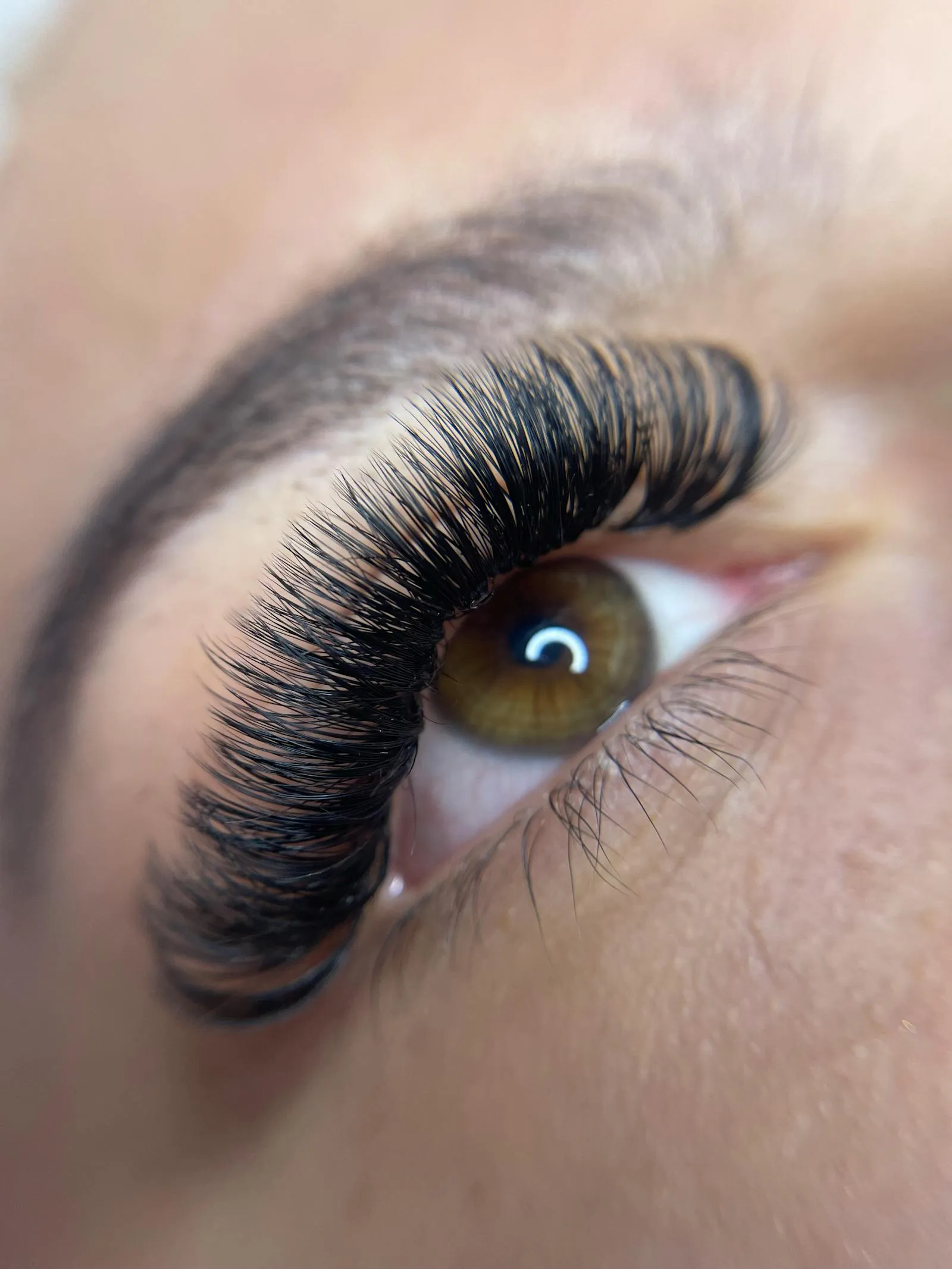
Volume works differently. Instead of one lash per lash, a technician hand-creates fans of two to six ultra-fine extensions and applies each fan to a single natural lash. The individual lashes used are much thinner — typically 0.05 to 0.07 mm, compared to 0.15 mm for classic — so despite the added quantity, the weight on each natural lash stays within safe limits.
The result is dramatically fuller. Volume extensions create the look of a lash line that was never sparse, never uneven — a fullness that cannot be achieved with classic on most people. This is the set that reads from across the room. It suits clients who want visible impact, those attending events, or anyone whose natural lashes are fine or sparse and need the added density to create definition.
Hybrid Extensions
Hybrid is a combination of both techniques applied across the same set. Typically 30 to 50 percent classic extensions, 50 to 70 percent volume fans, blended across the lash line to create texture rather than uniform density. Hybrid suits clients who want more than classic but find a full volume set too heavy, or those whose natural lashes vary significantly in length and thickness across the eye.
Materials and Curls: What the Options Mean
Walk into any lash appointment knowing the terminology and you can give your technician precise direction rather than gesturing at a photo.
Extension Material
Most professional salons work with synthetic silk or faux mink. True mink — from actual mink fur — is effectively obsolete in reputable salons due to ethical concerns and inconsistent performance. Synthetic options have surpassed natural materials in both durability and refinement.
Synthetic silk has a semi-matte finish that mimics the look of a natural lash without a plastic sheen. Faux mink is finer and softer, with a very slight sheen that catches light differently. Neither is definitively better — it is a finish preference and technician choice.
Curl Types
Curl shapes are named by letter and progress from subtle to dramatic.
J curl is the most natural — a slight upward sweep that suits clients with lashes that already point forward rather than down. B curl adds a modest lift, suitable for most eye shapes. C curl is the most commonly applied curl for a classic wide-eyed effect. D curl is a tighter, more lifted curl for maximum drama or for clients whose natural lashes point downward.
Length Mapping
A skilled technician does not apply uniform length across your entire eye. They map the lash line — shorter extensions at the inner corner, building to maximum length at the outer third or centre depending on the eye shape and the look you want. A cat-eye mapping concentrates length at the outer corner. A doll-eye mapping peaks in the centre for a rounder, more open effect.
Length selection also depends on the health of your natural lashes. Applying lashes that are significantly longer or heavier than your natural lash can accelerate shedding and, over time, cause thinning. A good technician will tell you if you are asking for more than your lash line can support.
The Application Process
A full set of lash extensions takes 90 to 120 minutes. Volume sets take closer to 120 minutes — the hand-fanning of each volume fan adds significant time compared to classic.
You lie flat with your eyes closed throughout. The technician tapes the lower lashes down to isolate them, then works along the upper lash line using fine tweezers to isolate each natural lash, pick up the extension, and bond it with a cyanoacrylate-based adhesive at the base — no closer than one millimetre from the skin.
The adhesive cures through moisture in the air. Well-formulated extensions adhesives cure within one to two seconds on contact. The full bond strengthens over the following 24 to 48 hours, which is why you are asked not to get them wet during that window.
Infills — where a technician fills in extensions that have shed with the natural lash cycle — typically take 45 to 60 minutes.
Lash Mapping Explained
Lash mapping is the process a technician uses to plan a set before applying a single extension. They look at your eye shape, your natural lash length and density distribution, and the look you have described, then mark the eye into zones — often five sections from inner to outer corner — and assign a length and curl to each zone.
The map exists so the finished set looks intentional, not random. Without it, length transitions can look uneven or the curl can fight the shape of your eye rather than enhance it. A good technician shows you the plan before they start, particularly for clients new to extensions, because what reads as a length chart on paper can feel surprising when applied.
Aftercare in Bali's Climate
Bali is humid. For lash extension adhesive, this is mostly a benefit — cyanoacrylate cures through moisture, and consistent humidity helps it cure evenly and thoroughly. Extensions bonded well in Bali's climate can be more stable than those applied in dry, air-conditioned environments.
The enemies are specific: sweat, oil, and sunscreen.
Sweat breaks down adhesive bonds gradually. If you are surfing every day, training, or spending long hours in direct sun, plan for shorter retention — and more frequent infills.
Oil is the most significant factor. Oil-based cleansers, moisturisers, eye creams, and makeup removers dissolve the adhesive. Everything you put on your face that might migrate to the lash line should be oil-free. Check your sunscreen — most broad-spectrum formulas are oil-based. Switch to a water-based alternative or apply carefully and avoid the lash line.
Sunscreen residue is worth a specific mention because it is ubiquitous in Bali. A layer of SPF left near the lash base will weaken retention over days without you noticing until the extensions are falling off weeks earlier than they should.
Clean your lashes daily. This is the step most clients skip and the one that makes the most difference. Use a lash-safe cleanser — a foaming formula designed specifically for extensions — and a soft brush to clean the lash line. Residue from sweat, oil, and debris accumulates along the base of the extensions, accelerates bond breakdown, and creates conditions for bacterial growth. Clean lashes are retained lashes.
After swimming — ocean or pool — gently pat the lashes dry. Do not rub or pull. After any water exposure, brush the lashes gently with a clean spoolie to reset them while they are still slightly damp.
How Long They Last and When to Book an Infill
Natural lashes shed on a cycle of 60 to 90 days. Each lash is at a different point in that cycle, which means you are continuously losing extensions as natural lashes reach the end of their growth phase and shed.
A full set looks its best in the first two weeks. By week three, most clients notice gaps — typically 30 to 40 percent of extensions will have shed. An infill at this point restores the set to full density. Waiting beyond four weeks means more extensions have shed, infill time increases, and technicians sometimes recommend a removal and new full set rather than an infill.
In Bali, with the sweat and activity level of most visitors, two to three weeks between infills is realistic. Clients who are careful with aftercare and less active in the heat can stretch closer to three to four weeks.
For anything involving the healing of skin in the same area, see the guide on lash lift and tint — a different approach entirely if you prefer to work with your natural lashes rather than add to them. If brows are also on your list, the guide on brow lamination and shaping in Bali covers both services in detail.
Red Flags to Know Before You Book
Not every lash bar in Bali applies extensions correctly. A few markers of substandard work that are worth knowing before you sit in a chair.
Lashes glued together. Individual extensions should be bonded to individual natural lashes. If multiple natural lashes are bonded as one unit, they will all shed simultaneously when the base lash falls — and the tension on the bonded cluster causes premature shedding and, over time, permanent thinning.
Adhesive on the skin. If you feel any stiffness or hardness at the very base of your lashes, adhesive has contacted the skin. This can cause irritation, block the follicle, and create a hard crust that has to be removed.
No isolation tools. If a technician is not using two tweezers — one to isolate, one to place — the work is not being done with the precision extensions require.
Immediate discomfort. A well-applied set should not itch, burn, or feel tight after application. Mild sensitivity in the first hour as residual adhesive vapour dissipates is normal. Pain or prolonged burning is not.
No consultation. A technician who does not ask about your lash history, your lifestyle, or what you want before starting is guessing. Extensions applied to over-processed or fragile natural lashes cause damage. The consultation exists for your protection.
For context on keeping your skin healthy while maintaining lash extensions in the Bali sun, the guide on skincare in sun, salt, and chlorine covers what the environment does to your skin barrier and how to protect it. If you are planning a full beauty day or visiting before a wedding or event, see the guides on your first visit to Rose Petal and bridal and event beauty in Bali. And for a complete overview of every treatment available, the Bali beauty guide covers the full menu.
Rose Petal is a beauty center on Jalan Labuansait in Uluwatu offering classic and volume lash extensions daily from 10 AM to 7 PM — with a lounge bar, sunset terrace, and co-working space. To book your appointment, visit rosepetalbali.com or message us on WhatsApp.
Beauty, refined.